


Mahjong Game: 3D Tile Puzzle
5.0308.00 Reviews
App Specs
- Version
- 1.2.2
- Updated On
- License
- Free
- Downloads
- 500,000+
- Developer
- LifePulse Puzzle Game Studio
- Categories
- Board
- Platform
- Android
Screenshots

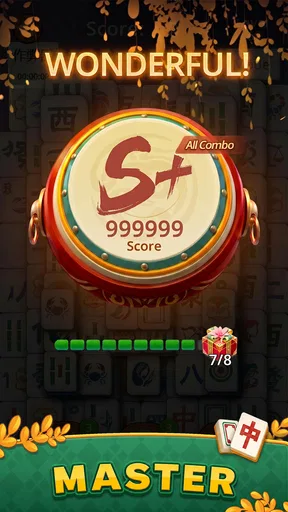
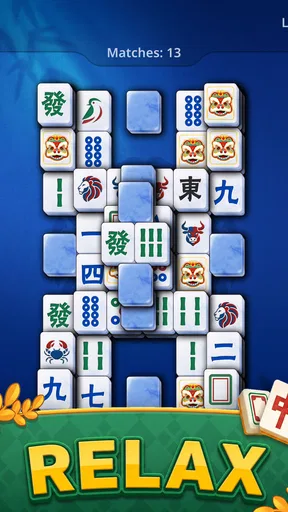
 Analysis by AppCompare
I like Mahjong most when I can give it a few quiet minutes without needing to learn a complicated rule set. Mahjong Game: 3D Tile Puzzle puts a familiar tile-matching puzzle into a three-dimensional layout, so the main challenge is not only spotting pairs but also working out what is visible and available from the angle I’m viewing. That small shift gives a classic board-game format a different rhythm: I can scan, rotate, and reconsider before committing to a match.
Why the 3D board changes the puzzle
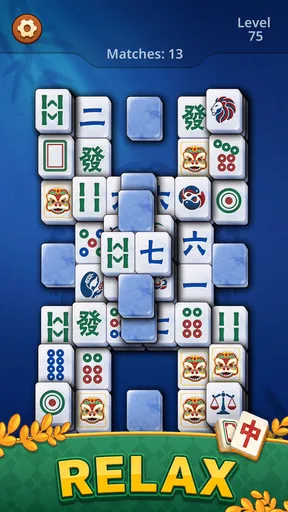
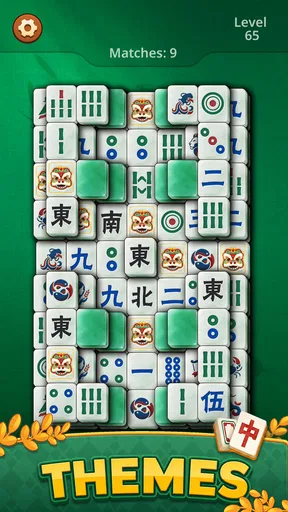
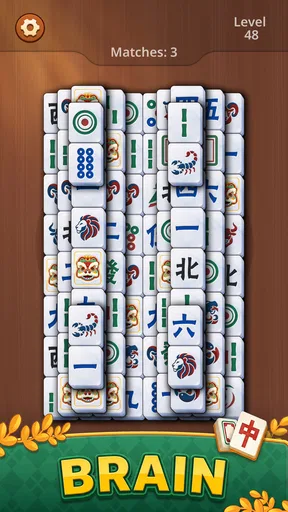
In a flat Mahjong solitaire game, the board is usually easy to read at a glance. Here, the depth adds a practical visual task: tiles can sit behind or beside others, and turning the arrangement helps me inspect it instead of relying on one fixed view. The appeal is less about spectacle than about having to read the board in layers. When I’m stuck, changing perspective can make an overlooked option easier to notice.
That extra dimension also changes how I make decisions. I try to identify pairs that open up more of the arrangement, rather than simply matching the first two tiles that look alike. A move can be satisfying in the moment but leave fewer useful choices afterward, so pausing to inspect the surrounding tiles is worthwhile. The central skill is patient visual scanning, not fast tapping.
How I approach a round
I usually begin by taking in the whole structure before choosing a pair. Then I rotate the board to check places where tiles overlap or where the view makes matching symbols hard to distinguish. This is a useful habit in a 3D tile puzzle: one quick look can create a false impression that a tile is blocked or that no match is available. A second angle can clarify what is actually playable.
When I do use a hint, I treat it as a nudge rather than an automatic answer. If I’m learning the layout, a hint can help me restart my scan and understand which exposed pair I missed. If I press it every time I hesitate, though, the game becomes more about following prompts than solving the arrangement myself. I get more out of it when I first check the board from another angle and reserve help for a genuine dead end in my thinking.
A small break that fits real life
This is the kind of board game I can pick up during a short pause: while waiting for someone, between routine tasks, or when I want something calmer than an action game. The tile-matching premise is straightforward, so I can get into the puzzle without a long explanation. Its relaxed feel suits a quiet evening too, especially if I want a little concentration without turning downtime into a high-pressure challenge.
For a practical routine, I’d play one round with the sound at a comfortable level, inspect the board before making the first match, and stop when I’ve had enough rather than chasing a perfect run. That approach makes the game a pleasant mental reset instead of another task to optimize. It can also be a gentle way for someone new to Mahjong solitaire to get familiar with matching and board awareness, though the 3D presentation may take a little time to read comfortably.
Worth Reading Before You Choose

EA SPORTS FC Mobile 26 Is a Bigger Football Game, but It Takes Time

Flipboard Shows What News Apps Must Do Beyond the Feed

Switching to Android Auto Means Rethinking Your Driving Routine

Google Calendar Makes a Crowded Week Easier to Manage

Ludo King Makes the Most of the Minutes Between Plans

Baby Panda World Brings Quick Play to Modern Phones, but Its Game Library Feels Busy
The 3D Experience
Now, I know what you’re thinking: why 3D? Isn’t Mahjong a flat game? Trust me, the 3D Tile Puzzle adds a whole new dimension (pun intended) to the classic gameplay. You get to rotate and view the board from different angles, which gives it a bit of a strategic twist. Imagine spinning the board around to find that perfect match hiding on the other side. It’s like uncovering a hidden treasure every time!
Graphics and User Interface
The first thing that caught my eye was the sleek and visually pleasing graphics. The tiles are rendered beautifully in 3D, with vibrant colors and intricate designs that make the game feel almost like a piece of art. The UI is intuitive, which means you won’t spend your first hour just trying to figure out how to navigate the app. Everything feels smooth, and the controls are responsive, which is crucial when you're racing against the clock. It’s like the developers knew exactly what gamers wanted – simplicity wrapped in elegant design.
Gameplay and Features
What I love about the game is how it caters to both new players and seasoned Mahjong enthusiasts. You can choose different difficulty levels, so whether you’re just starting out or looking for a real challenge, there’s something for everyone. There are numerous levels, each with unique layouts and patterns, ensuring you never get bored. And if you’re like me and enjoy a competitive edge, there are leaderboards to track your progress against players worldwide. Talk about motivation!
Another cool feature is the hint system. Sometimes, those tiles just don’t want to reveal themselves, and that’s where the hint button comes in handy. But use it wisely; you don’t want to rely on it too much, or you’ll miss out on the satisfaction of solving the puzzle on your own.
Sound and Immersion
I wasn’t expecting much in the way of sound effects, but I was pleasantly surprised. The gentle clicks of the tiles and the soothing background music create a calming atmosphere perfect for unwinding after a long day. It’s like having a mini-spa session right on your phone. You can almost feel the stress melting away as you get lost in the game.
Connectivity and Updates
Mahjong Game: 3D Tile Puzzle is a free board game from LifePulse Puzzle Game Studio, rated for Everyone and built for Android 8.0 or later. It was released on February 20, 2025, and version 1.2.2 is the current release. Its 5.0 average from around 28,000 ratings and more than 500,000 installs suggest that plenty of players have found it appealing, though ratings alone can’t tell you whether its particular 3D style suits your eyes or play habits.
The app runs smoothly on both Android and iOS, which is a big plus for those of us who switch between devices. Regular updates keep the game fresh, adding new puzzles and features to keep you coming back for more. Plus, the developers seem genuinely invested in the user experience, often incorporating player feedback into their updates.
Where it fits among Mahjong games
Compared with the usual flat Mahjong solitaire board, this game asks me to use viewpoint as part of the puzzle. That makes it a better fit when I enjoy inspecting a spatial arrangement, but a less direct choice if I want the cleanest possible two-dimensional layout. A conventional flat version can be easier to read quickly and may be preferable on a small screen or when my eyes are tired. I’d choose this one when rotating and examining the tile structure sounds enjoyable in its own right.
It is also different from traditional Mahjong played with other people: this is a solo matching puzzle, not a social tile game built around turns and shared strategy. If what you want is conversation, competition across a table, or the full rules of a multiplayer Mahjong variant, this is not a substitute. Its strength is that I can focus on a self-contained board at my own pace.
Small choices that improve the experience
One useful habit is to rotate in deliberate increments rather than spinning the board repeatedly. I look at one side, note a pair or blocked area, then move on; that keeps me from losing track of what I have already checked. If the symbols are difficult to distinguish, I pause and change the view before tapping, rather than relying on a guess. This reduces avoidable misclicks and keeps the puzzle feeling thoughtful.
I also try to clear matches that expose useful areas, not merely the most obvious pair. That is a general planning principle, but it matters especially when the 3D perspective makes some parts of the layout less visible. A quick mental note—“this match opens that stack”—can prevent me from clearing a tempting pair that does little to improve my options. The hint button is most useful after that scan, when I want to check whether I overlooked a viable move.
Trade-offs and who should skip it
The same depth that makes the board interesting can become friction. If I want to glance at a puzzle and understand every tile instantly, a flat board is simpler. Rotating and interpreting layers asks for more visual attention, and that may not be relaxing for everyone. The game’s soothing presentation won’t change that basic trade-off: its central appeal and its main source of extra effort are the same feature.
I’d also skip it if I’m looking for a deep campaign, a story, or a game centered on social play. The draw here is repeated tile puzzles and the satisfaction of finding a clear route through a layout. It works best when that small, focused goal is enough. Players who prefer fast action or a more traditional multiplayer Mahjong experience will be better served by a different kind of game.
Who gets the most from it
I’d recommend it to someone who already likes solitaire-style matching and wants a spatial twist, or to a newcomer who is curious about Mahjong puzzles but prefers learning through simple, self-contained rounds. It can suit a short waiting-room break just as well as a longer, calmer session at home. For a shared household device, its Everyone age rating also makes its general audience clear, although each player’s comfort with small, detailed tiles is still a personal matter.
The game is free, so it is easy to try without treating it as a major purchase decision. Its 307 reviews add another sign of an active audience, but my practical advice is to judge it by the core interaction: if turning a tile arrangement to uncover available matches sounds satisfying, the format has a strong chance of working for you. If you would rather see a fixed board with no perspective changes, choose a simpler flat Mahjong solitaire game instead.
Final Thoughts
All in all, Mahjong Game: 3D Tile Puzzle is a delightful take on a classic game. It’s perfect for those moments when you need a bit of brain exercise or just want to escape into a world of tiles and strategy. Whether you’re a Mahjong veteran or a curious newbie, this game is sure to offer hours of entertainment. So why not give it a spin and see for yourself? You might just find your new favorite pastime.
Pros
- Engaging 3D graphics enhance gameplay.
- Variety of challenging levels to explore.
- Smooth and intuitive controls.
- Daily challenges keep content fresh.
- Offline mode available for on-the-go play.
Cons
- Some levels feel repetitive.
- Ads can be intrusive at times.
- Limited customization options.
- In-app purchases can add up quickly.
- Requires a stable internet for updates.
FAQs for Mahjong Game: 3D Tile Puzzle
What is Mahjong Game: 3D Tile Puzzle about?
Mahjong Game: 3D Tile Puzzle is a modern take on the classic Mahjong solitaire game, featuring 3D graphics that enhance the tile-matching experience. Players can rotate the board to gain different perspectives, making it easier to find matches. The game offers various levels and challenges to keep you engaged.
Is Mahjong Game: 3D Tile Puzzle free to play?
Yes, Mahjong Game: 3D Tile Puzzle is free to download and play on both Android and iOS devices. However, it may include in-app purchases for additional features or to remove ads. These purchases are optional and not required to enjoy the full gaming experience.
Does Mahjong Game: 3D Tile Puzzle require an internet connection?
Mahjong Game: 3D Tile Puzzle can be played offline, making it a great option for users who want to enjoy the game without relying on an internet connection. However, some features, like daily challenges or updates, may require internet access to function properly.
Are there any accessibility features in Mahjong Game: 3D Tile Puzzle?
The game includes several accessibility features to enhance the experience for all players, such as adjustable tile sizes and colorblind modes. These settings can help ensure that players with different needs can enjoy the game comfortably and without unnecessary strain.
How does Mahjong Game: 3D Tile Puzzle ensure player progression and variety?
Mahjong Game: 3D Tile Puzzle offers a wide range of levels and challenges to keep the gameplay fresh and engaging. It includes daily challenges, special events, and a variety of tile sets and backgrounds. As players progress, they unlock new themes and customization options.


